Fascinating Facts About Travertine Tiles and Pavers
Are you captivated by the timeless beauty of travertine? This stunning natural stone has been prized for centuries, and there’s so much more to learn about it! Here are 13 intriguing facts about travertine tiles and pavers that highlight their unique characteristics and appeal.
1. Formation and Origin
Travertine is a type of limestone that forms in hot mineral springs around the world. As a sedimentary rock composed primarily of calcium carbonate, it often contains fossilized remains. Notably, one of the most famous travertine formations can be found in Yellowstone National Park, where mineral-rich waters create stunning deposits.
2. Etymology of the Name
The term ‘travertine’ originates from the ancient Italian city of Tibur, now known as Tivoli. Dating back to Roman times, it was referred to as lapis tiburtinus, meaning “Tibur stone.” This name has evolved over the centuries into the term we use today.
3. Global Sourcing
Most travertine in the United States is imported from quarries located in countries such as Italy, Iran, Mexico, Turkey, and Peru. For instance, Tile Outlets of America sources a significant portion of its travertine from Turkey, renowned for its incredible Pamukkale natural terraces and hot springs.
4. Quarrying Techniques
Travertine is extracted from quarries around the globe using various advanced methods, including channeling machines, wire saws, chain saws, and water-jet cutting machines. Once mined, the stone is transported to mills or production facilities where it is processed into slabs and finished according to desired specifications.
5. Unique Surface Characteristics
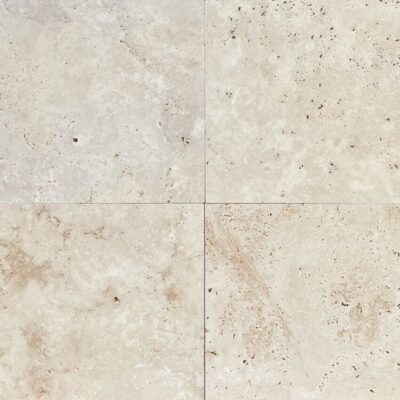
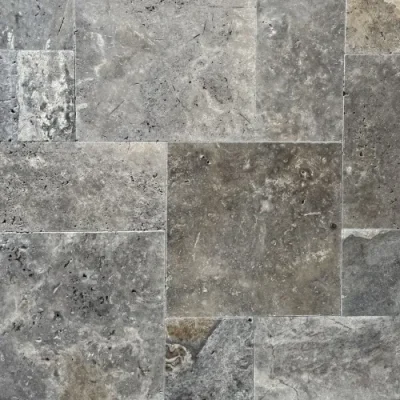
One of the defining features of travertine is its naturally occurring holes and troughs on the surface. These characteristics arise from the stone’s formation process over time. Additionally, travertine is porous, which contributes to its distinctive look and feel.
6. Filling Options
The natural holes and troughs in travertine can be filled with grout or left unfilled, depending on aesthetic preference. Many travertine tiles are filled during production. The size of the holes can indicate the quality of the stone, with smaller holes typically signifying a premium cut.
7. Historical Significance
Travertine has a rich history as a building material, prominently featured in architecture throughout Europe since the Roman Empire. Iconic structures like the Roman Coliseum and Baths of Caracalla in Rome, as well as modern buildings such as the Sears Tower lobby, showcase the stone’s enduring appeal. Today, travertine is commonly used for floors, walls, and backsplashes.
8. Color Variety
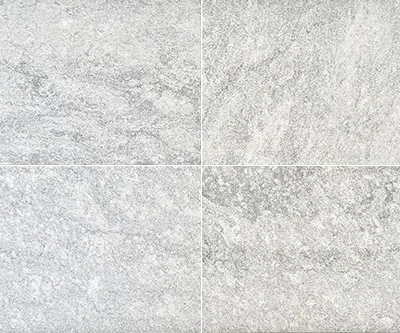
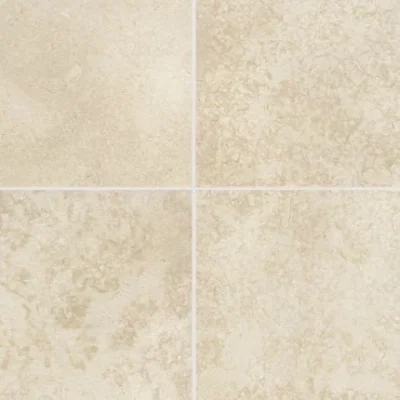
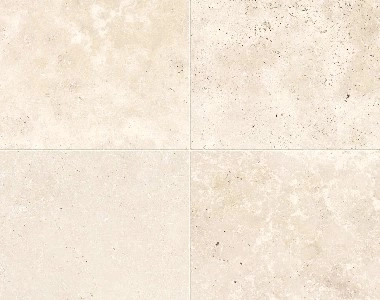
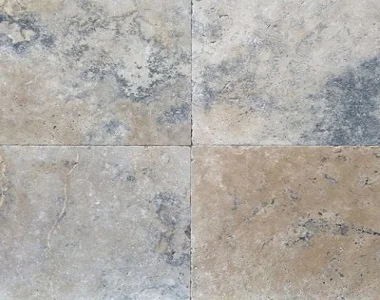
Travertine is available in a stunning array of colors, including white, tan, brown, cream, and gold. It can also display various shades of red, pink, and orange, with some stones featuring striking black veins that add depth and character.
9. Finishing Styles
Travertine can be produced in several finishes, including honed, tumbled, polished, brushed, saw cut, and chiseled edge. Each finish offers a different texture and aesthetic, allowing for customization to suit individual design preferences.
10. Tile Sizes
Modern travertine tiles come in a range of sizes, with the most common being 4×4, 6×6, 12×12, and 18×18 inches. Tile trim pieces are also available, providing flexibility for various projects.
11. Versatile Applications
Travertine can be used in both interior and exterior spaces, making it a versatile choice for homeowners. It can stand alone or be creatively mixed with other materials like granite, marble, ceramic, or porcelain tiles for a unique design.
12. Maintenance Considerations
While travertine is softer than granite, it requires proper care to maintain its beauty. Sealing is essential to protect the stone and should be done during installation and periodically thereafter—typically every three to five years. Various sealers are available, including enhancing sealers, which darken the stone for a “wet” look, and natural sealers, which protect without altering the appearance.
13. Installation Tips
When installing travertine, it’s important to blend the tiles first for a cohesive look. Using a white thin set is recommended for lighter travertine to avoid discoloration, while a notched trowel should be used for application. Some professionals suggest sealing the stone both before and after installation for optimal protection.
Conclusion
With its rich history, stunning aesthetics, and practical benefits, travertine tiles and pavers are a fantastic choice for any home renovation project. Whether you’re enhancing your indoor spaces or transforming your outdoor landscape, travertine offers an eco-friendly and visually striking solution that stands the test of time.
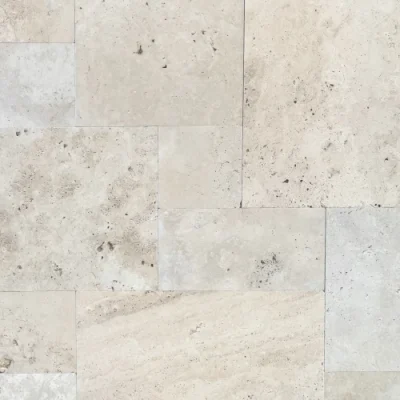 Cream Tiles and Pavers
 Limestone